The Latest Solar Project Part 2
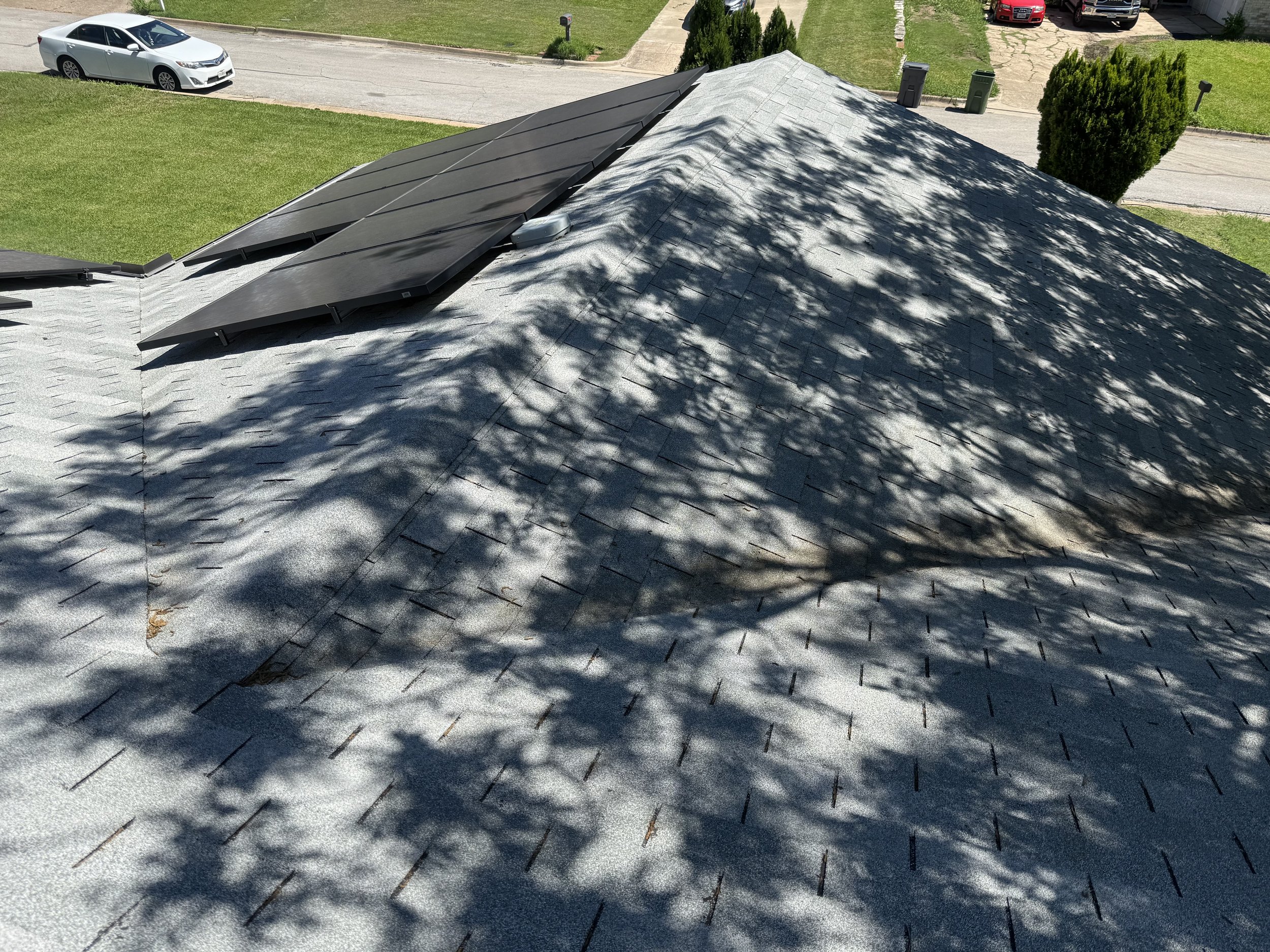
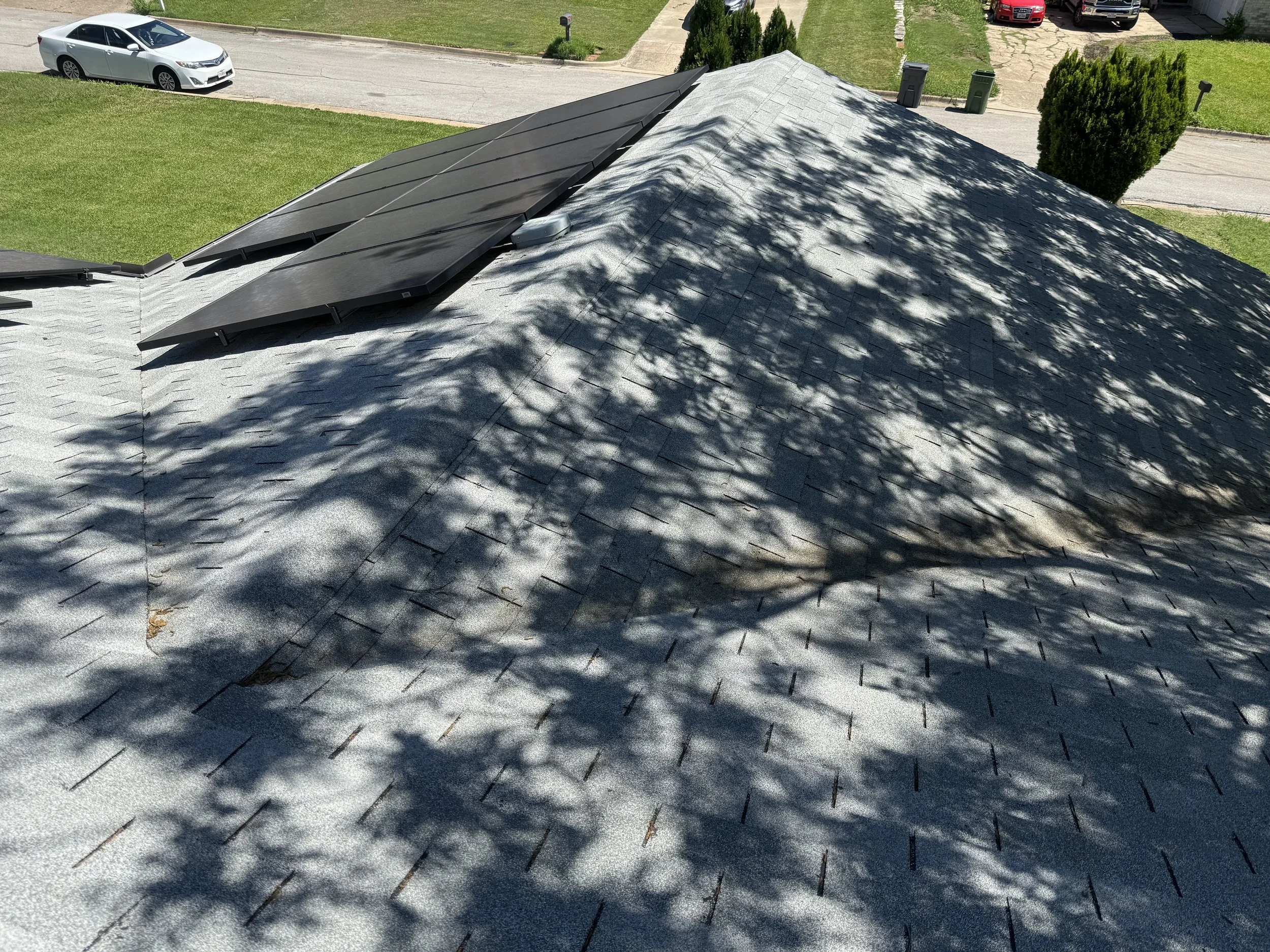
Since my original plans will not work, the vendor proposed we place the new panels in this shaded area. It gets sun in the morning, but this is 3pm. Not ideal.
I often try to convey by example some of the drudgery involved in the projects I am working on, as it can give others a sense of what to possibly expect, but more importantly to inspire a different approach for someone that will save some time and money. Keeping that in mind, in the last installment regarding the latest solar project I am embarking on, I detailed what the hell I was doing and how the new administration’s threats via tariffs and ending tax credits for green tech sped up my timeline. Looks like it is time for an update.
Progress
The steps so far are as follows:
ONCOR approved the “Tariff Application”, also known as the Application for Interconnection and Parallel Operation of Distributed Generation. Basically anything connected to the ONCOR’s regional part of the grid has to be approved.
Paperwork was sent in to the City of Arlington for approval.
City of Arlington wanted an engineering assessment of the shop.
When ONCOR approved the Tariff Application there was some back-and-forth because somehow ONCOR did not have Homegrid batteries in their list of “catalog” items, so that had to be resolved. Eventually it was and the Tariff Application was approved. The initial paperwork to the City of Arlington stated that since the shop (a large shed in the backyard) was erected without City authorization or inspection, there would need to be a structural engineering evaluation on the shop to ensure that when the panels went up on this apparent illegal building that it would not collapse potentially killing thousands of people (can you tell I am frustrated?) so the cost of an official engineering assessment and report was added to the contract.
The engineering firm said that before they could approve the shop for panel installation, the shop should be placed on actual concrete footings with foundations instead of the pavers they are on now, so since I have no desire to relocate the shop or install concrete foundations, the new plan proposed to me by Sustainable Roof and Solar is to relocate the panels to the house. There is a bit of room although there will be periods during the day where it will be in the shade of trees. Now this would have been the case for the shop, but it was in a physical location where it would get more sunshine, hence why I wanted to use it.
What This Means
All of this means we are almost back to square one. If there is a new plan with different placement, these new plans will need to be resubmitted for approval to the various agencies and whatnot. Ugh. The entire point of using the shop’s roof as there was plenty of decent sun-drenched roof real estate there for roughly 6-7 hours of good sunshine. For me to get better sunshine on my existing roof I’d have to convince my neighbor to remove two large trees between our houses or substantially trim them back, and so far he doesn’t want to. At all. Fair enough. I am hoping to get a second site inspection where we can get a bit more creative in panel placement. Here is what I am willing to consider:
Put them where the person in email recommended without an in-person site visit, which gets sun in the spring and summer for about 4 hours a day, the rest of the time blocked by roof angles and neighbor’s trees.
Ground mount. Not ideal, unless the rack can be elevated up to maybe 8-10 feet, which I doubt they’d want to even consider and I have no idea what kind of code regulation nightmare that might unleash.
Replaced one section of 8 older 310 watt panels with new 400 watt panels (assuming they are roughly the same size). This would amount to a potential power increase of only 720 watts, but I could keep the old 310 watt panels and DIY the shop into operating off grid. This would save more wattage as the shop with the large power tools can have massive spikes in electrical usage.
A panel here, a panel there, and simply pick out a few spots where I could put a panel or two on the roof. I might be able to get five that way. Maybe two in the area where they suggested but right near the top, that spot gets sun until about 2-3pm.
I’m not sure which option I want to go for, number 4 seems potentially the easiest - both contractor-wise and paperwork-wise. I’m also considering finding used panels and doing the off-grid shop thing from number 3. It depends on what Sunshine Roof and Solar (the vendor) can and be willing to do. I will keep you posted….

