The Latest Solar Project Part 3
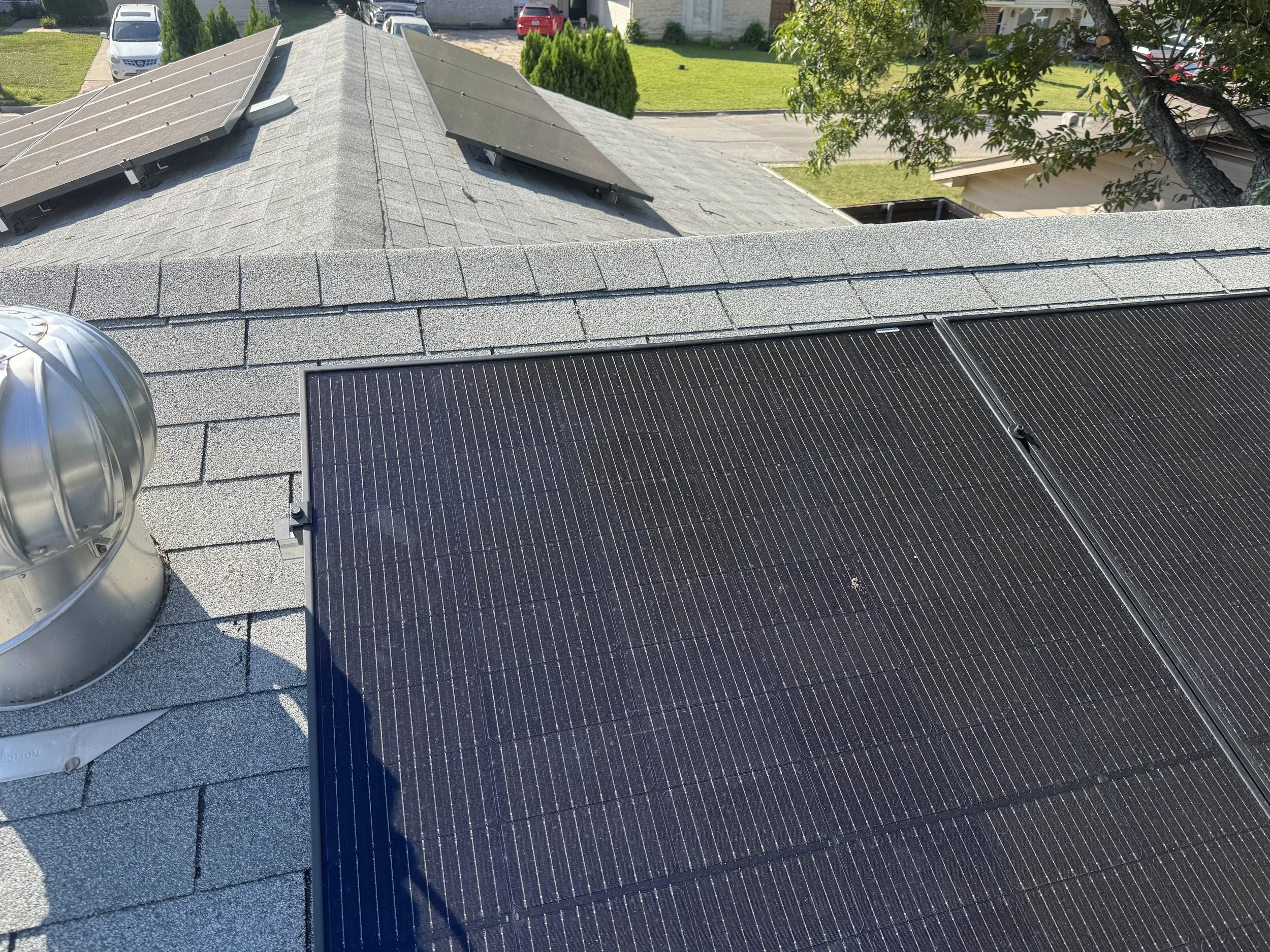
Two new panels on the back of the house, three new panels over the garage. Some of the older panels converted from a SolarEdge inverter to micro-inverters are on the left.
This is part 3, part 2 can be found here, part 1 here.
Finally. The new panels are installed, and everything is up and running. But this wasn’t easy, mainly because it required patience. I mean, part 2 of this blog was published last May, and the project technically started right after the 2024 US presidential election in November.
I should note that while it might not seem like it at first, this was an extremely interesting and involved addition and upgrade. The 22 original panels had their micro-inverters upgraded before this project started, and this made a strong impression since the improved performance emphasized how the micro-inverters began producing energy quicker in the morning and later in the evening than non-micro-inverter panels, this influenced things moving forward heavily. When the decision was made to add 5 additional panels it made sense to not only put them on the same type of micro-inverters, but to retrofit the remaining 24 panels that were connected to the SolarEdge with micro-inverters and get everything on the same type of hardware. Better for performance as well as for monitoring. However this would cause hiccups and delays at every step of the project moving forward.
What Happened
The final plans were eventually approved on July 17th. The original submission date was at first to the city of Arlington who said the shop I wanted the panels mounted on was not structurally sound enough (plus the shop was “illegally built” in that I did not get city approval originally) so they would not approve it. After back and forth, we decided on another place on the roof which while not ideal for sunlight in the afternoon due to neighbor’s trees, it would certainly work during the winter months when those trees were devoid of foliage. Finally the city approved and the ONCOR plan was redone and submitted.
Yes it took even longer for ONCOR to approve things, and the email thread back and forth between Sustainable KW (aka Sustainable Roofing and Solar) and ONCOR was downright staggering. ONCOR would reject the plans stating that some explanation for some piece of equipment was missing and reject the plans, Sustainable would immediately write back and state that the explanation was included on page whatever, and a few days or over a week later they’d be cool with it and then find yet another “flaw”. Half of the “flaws” were ONCOR misinterpretations of the SolarEdge to micro-inverter conversion. This happened more than once, and many other things were considered “issues” that were, of course, not. Throw in weekends and holidays and next thing you know it’s halfway through July.
With the coming end to tax breaks for solar installs, the schedule for getting installation met can be tight. And the person running the project for me from Sustainable KW back in 2024 got pregnant, reached full term, and went on maternity leave. Yes it was quicker to grow a human than to get through paperwork this time around. When she went on maternity leave I thought oh no, more delays. However it was simply a matter of waiting for an installation opening in the schedule, and in late August we started roughing out dates for a September install. And it finally happened.
The week of the install wasn’t completely without drama. My birthday is 9/11 (of course it is, I have weird and strange luck) and as is tradition I take that entire week off. I’d been going through some medical issues with my back and I’d had some injections to reduce nerve pinching in my spine, and I was due for a second round on - you guessed it - 9/11. When was the new concrete pad for under the batteries, the various electrical visits, and the actual panel install with the micro-inverter upgrades taking place? The same week. The battery was moved and the concrete pad poured on the 9th, upgrades to the critical load panel (where the solar feeds came into the house circuit) was on the 10th, and the actual solar install and physical electrical setup was started on the 11th and wrapped up on the 16th. There were minor side issues with each of these steps, such as the 24 panels that were getting micro-inverters were on different-sized mounting rails that had to be replaced which delayed things further. And once the physical onsite work was completed, there was a delay in getting them officially configured, plus final approvals by the city of Arlington, all before things could be considered complete. In fact as I type this, the very final approval from the city hasn’t happened, nor has the monitoring. But the most important step of receiving the official “Permission to Operate” letter from ONCOR occurred on September 26th around sunset, so by flashlight that evening I went out and flipped all the switches and the next morning at sunrise I had 51 producing panels talking to APsystems micro-inverters pumping out power.
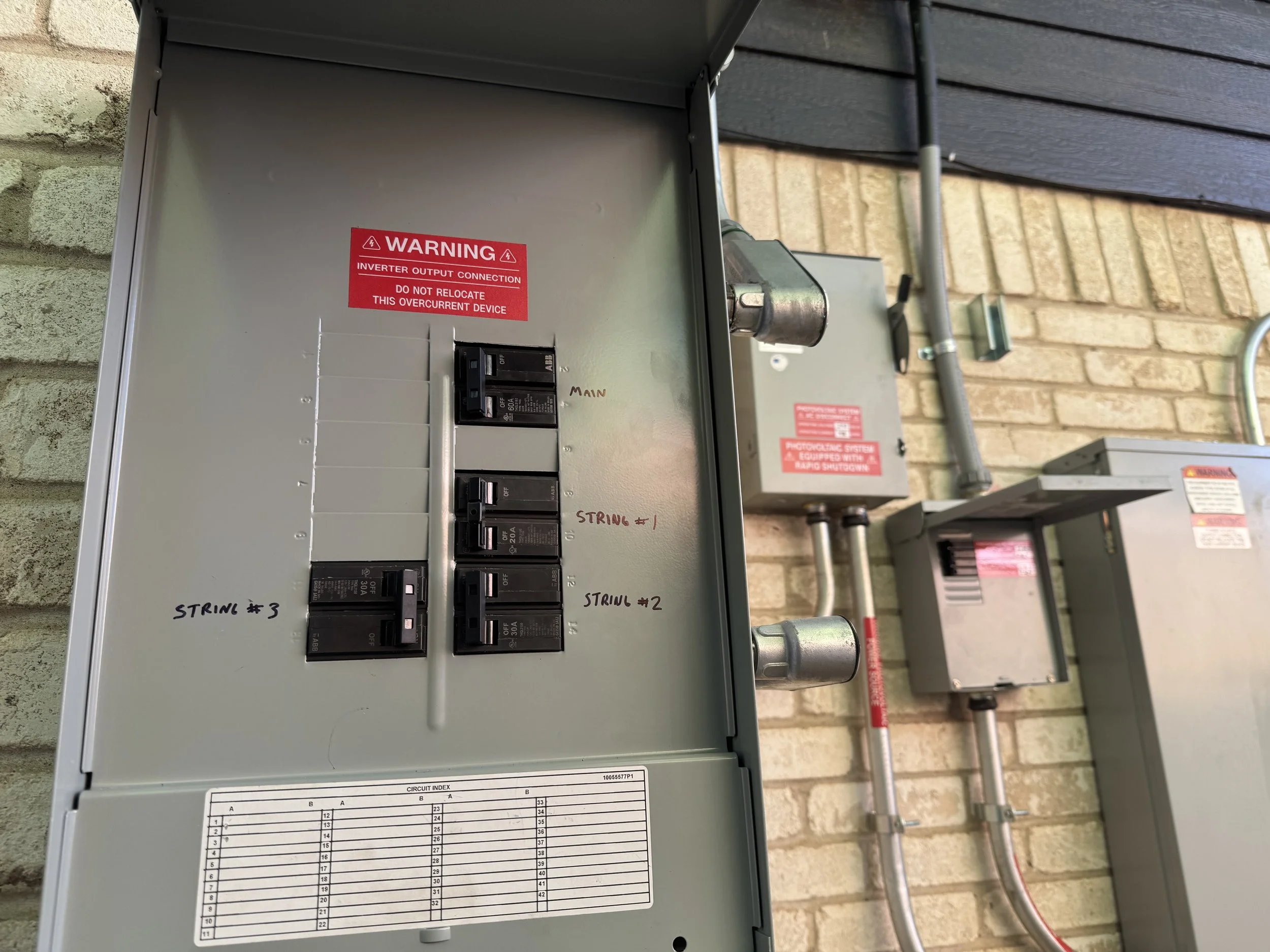
An example in complexity. The box on the left is where the SolarEdge used to be, the wires were replaced and ran here with the new panels, taking advantage of the existing conduit. This resulted in three “strings” of wiring with a main switch added. This runs to the old SolarEdge cutoff switch, and next to that is the two strings of the original 22 panels. All this runs into the “critical load” breaker box on the right. The main breaker box is in the house, and was untouched for this round.
Additional Points of Concern
Once everything was up and running, this left me with a few additional concerns to deal with, although in the grand scheme of things everything works so these details are merely just little “nice to have” things I wanted completed.
Tree trimming. This needed to happen so that the neighbor’s trees were not only touching my roof but also were blocking some of the panels starting mid-afternoon. As I stated above it would not be perfect but would certainly work in the winter when those trees were leafless. Most of this was done on the 13th and 14th of September, nearly exclusively with family help (again, recovering from back injections). A bit more is still needed, but for now things seem to be working fine. [Edit: The tree trimming did take place and performance overall has improved as a result.]
Data monitoring. Unfortunately the local “collection” device of data that feeds it up to the cloud cannot be accessed locally. This means if I want to query the panels, I have to use the APsystems’ cloud site. Also most unfortunate is that the API has a limit of 1000 queries per month. What I prefer doing in Home Assistant is accessing the panels every half hour, and I’ve already had to adjust my code since I was hitting that hard limit during summer months. Running things only during daylight hours starting 30 minutes after sunrise prevents this, but it means I only have maybe 175 API calls left over in the summer. This might end my plan of a separate script that monitors individual panel health and inverter health as that would need to make several API “probes” a day just for that. And each probe might require 5-10 queries.
The workshop. The old SolarEdge could be put to use with some possibly used solar panels and batteries and my “illegal” shop could be off grid entirely. Unsure about what to do with the old SolarEdge at this point, will probably simply go with 6 panels feeding batteries that feed the shop. Will need to perform some power measurement tests during heavy shop usage to ensure I get the right wattage panels to cover the load plus allow for 24x7 HVAC (via the existing mini-split), hand tool charging, and the outside night lights.
Conclusion
For a project that started literally the day after the 2024 presidential election as it was widely assuming (correctly) that the tax credits on solar installation would end, I’m glad the project was completed while I could take advantage of said tax credit. Truthfully I would have done it anyway. I had been saving up the money for other energy-related home improvements (complete window replacement with energy-efficient windows) but diverted the money to this instead.
I now have the original 22 300watt panels from 2017, the 24 310watt panels from 2019, and the 5 new 415watt panels all hooked up via micro-inverters to a system that has a 24kW battery system. I’ll report later on the improvements this upgrade has made, but already within days I was seeing better performance.